The Alert Didn’t Save Us. What Happened Next Did.
A few days ago, one of our employees got what looked like a routine notification. It looked legitimate. They clicked. That’s where most cybersecurity stories begin.
This one didn’t become a breach story — not because nobody clicked, and not because some tool stopped it. The difference was what happened next.
A high-severity alert gave our team a reason to investigate. Not panic. Investigate. That distinction matters, because incidents rarely arrive labeled malicious or benign. They arrive as uncertainty: Did someone enter credentials? Is the account compromised? Is the endpoint infected? Is this even an incident?
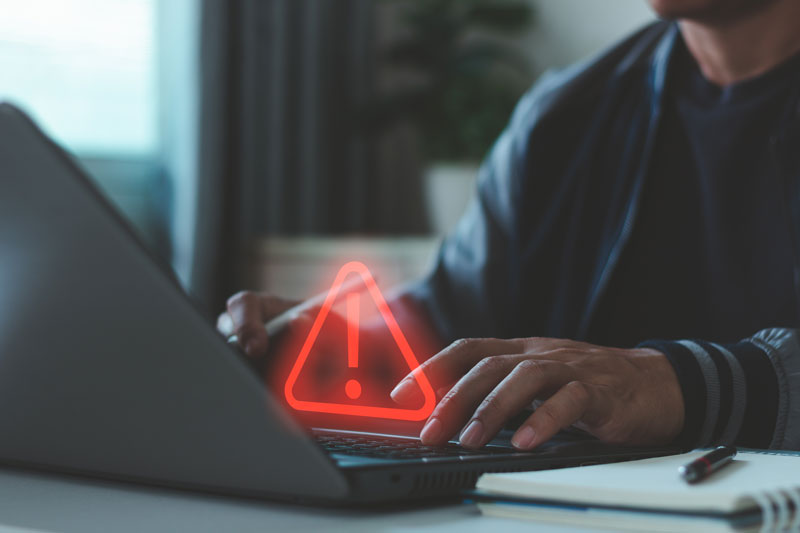
We interviewed the employee, reviewed activity, revoked sessions, reset credentials, and kept monitoring. We found no evidence of compromise. The lesson isn’t that we avoided an incident. It’s that we had time to find out.
Security Is Really About Timing
The goal isn’t preventing every bad thing. That’s not realistic. Phishing keeps getting better: eventually someone clicks.
The organizations that manage risk best aren’t the ones that never see suspicious activity. They’re the ones that spot it fast, investigate efficiently, and respond with confidence. They buy themselves time — to ask questions, gather facts, contain risk, and make good decisions.
The Signal Came From Technology.
The Outcome Came From People
Our alert came from Arctic Wolf. But technology doesn’t resolve uncertainty; people do. What mattered was visibility, defined process, clear communication, and experienced judgement. Security isn’t a product you buy. It’s a capability you build.

A Better Question
Most organizations evaluating security ask: will this stop attacks? Fair question. Here’s a better one: when something suspicious happens, how fast can we understand what’s going on?
Certainty is rarely immediate. The best organizations move quickly from uncertainty to confident action. Often, that starts with a single alert.