Clients ask predictable questions during the website design process, but those questions rarely reflect the real concern. Most stem from deeper anxieties around visibility, clarity, risk, and return on investment. Understanding what clients mean and not just what they say, allows designers to respond more strategically and build stronger outcomes.
What are common client questions during a website design project?
Clients often ask about visibility (“make the logo bigger”), content volume (“can we add more?”), options (“can we see more directions?”), timelines, and performance (“will this convert?”). These questions typically reflect concerns about business impact, not design details.
Why Clients Ask the Same Questions in Every Website Project
Direct answer: Client questions are driven by uncertainty, not resistance. These questions vary, but the concerns are always consistent. The core drivers of these questions usually stem around:


Visibility
(will we stand out?)

Clarity
(are we saying enough?)

Risk
(are we making the right decision?)

Value
(is this worth it?)
“Can You Make the Logo Bigger?”
Direct answer: This question reflects concern about brand visibility, not logo size. When starting a website design project, it’s often helpful to discuss the brand as a whole. Often when a client wants a website redesign they are in need of a much larger brand reimagining.
What the Client Means
- Fear of being overlooked
- Desire for brand prominence
- Staleness of current brand positioning and aesthetic
Why It Happens
- Misunderstanding of visual hierarchy
- Association of size with importance
How to Respond Strategically
- Demonstrate hierarchy through examples
- Reframe around user goals
- Offer alternatives (contrast, placement, repetition)

“Can We Add More to This Page?”
Direct answer: Clients ask for more content when they’re unsure what’s essential. They often want to include as much content as possible on the homepage in fear of users not visiting other pages.
What the Client Means
- Concerned about missing information
- Internal stakeholder pressure
- Fear that their users want to see everything immediately
Why It Happens
- Lack of content prioritization
- Desire to make one page serve multiple roles
How to Respond Strategically
- Introduce content hierarchy
- Explain progressive disclosure
- Show impact on usability and conversion
- Establish user flows
- Integrate calls-to-actions to progress users through the site
“Can We See More Options?”
Direct answer: Requests for more options signal uncertainty in decision-making.
What the Client Means
- Fear of committing too early
- Lack of confidence in direction
- Feeling that seeing more warrants cost
Why It Happens
- No clear evaluation criteria
- Design presented without enough rationale
- Lack of transparency throughout the design process
How to Respond Strategically
- Anchor feedback in goals, not preference
- Walk through thinking before visuals
- Limit options, expand explanation
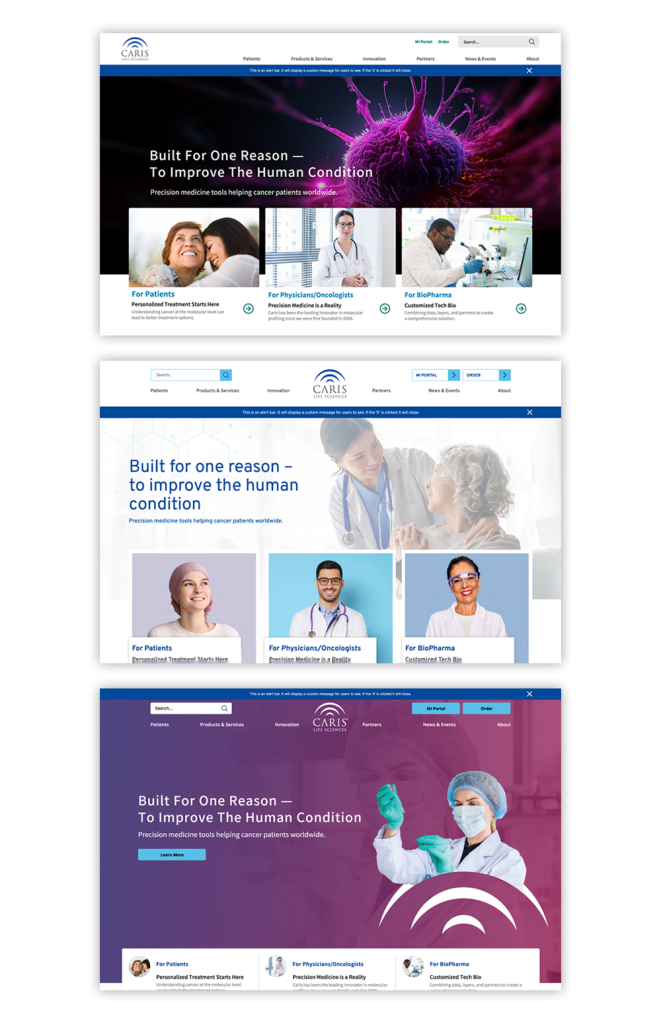
“Can We Make It Pop More?”
Direct answer: Vague feedback often points to missing emotional or visual impact.
What the Client Means
- The design feels flat or indistinct
- Desire to push boundaries
Why It Happens
- Lack of shared language for critique
- Missing brand expression
How to Respond Strategically
- Ask clarifying questions
- Translate into design levers (contrast, motion, typography)
- Align with brand personality
- Present multiple options that span comfort/familiarity to something new and different

“Why Does This Take So Long?”
Direct answer: Timeline concerns stem from limited visibility into the design process.
What the Client Means
- Is this worth the time and cost?
- Pressure from executives due to tight timelines
Why It Happens
- Design perceived as surface-level
- Invisible work (strategy, iteration)
- Lack of communication
How to Respond Strategically
- Break down phases clearly
- Share in-progress work
- Emphasize long-term value
“Will This Improve Conversions?”
Direct answer: Clients want assurance that design decisions will drive business results.
What the Client Means
- Need for measurable ROI
- Desire for immediate results
Why It Happens
- Budget accountability
- Expectation of certainty
How to Respond Strategically

Be transparent about uncertainty

Reference UX principles and data

Introduce testing and iteration
“Can We Copy What a Competitor Is Doing?”
Direct answer: Competitor references are often about reducing perceived risk.
What the Client Means
- If it works for them, it feels safer
Why It Happens
- Surface-level benchmarking
- Fear of differentiation
How to Respond Strategically
- Acknowledge what works
- Shift to differentiation strategy
- Highlight risks of sameness
- Use references to draw inspiration as a starting point, not the end result
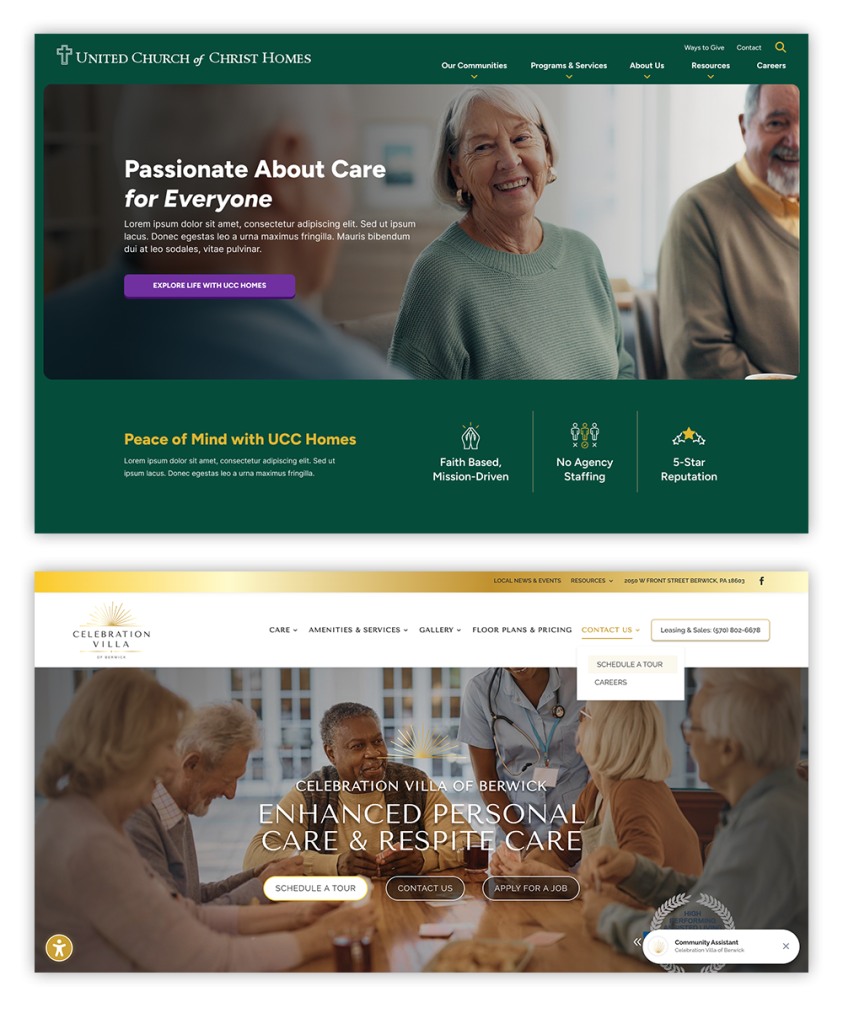
“Can We Change This Later?”
Direct answer: This question reflects concern about making irreversible decisions.
What the Client Means
- Scared of getting it wrong
- Fear of commitment
- Lack of current/future goals
Why It Happens
- Uncertainty about future needs
How to Respond Strategically
- Explain flexibility (CMS, systems)
- Clarify what’s easy vs. costly to change
- Emphasize importance of key decisions
- Gain understanding of client’s overall goals
What do client questions during design projects really indicate?
They indicate underlying concerns about business outcomes — visibility, clarity, risk, and ROI — not dissatisfaction with design execution. Once we understand that these questions are not a direct attack on our design skills or process, the easier it is to reflect and better work with our clients.
FAQs
Why do clients ask for more design options?
Because they lack confidence in the decision-making process or don’t have clear criteria for evaluating design. One design is often perceived as lack of work being produced, but if we are transparent through the entire process it is clear that more work is produced “behind-the-scenes.”
How should designers handle vague feedback like “make it pop”?
By translating subjective language into specific design elements like contrast, hierarchy, and motion. Ask for examples — the more visual cues supplied by the client helps to gain a better understanding of exactly what the client is envisioning.
Are client questions a sign of a bad project?
No. They are a normal part of collaboration and often signal engagement and investment. Understanding that questions stem from underlying uncertainty and insecurities and not an attack will help projects progress smoother.
How can designers reduce repetitive client questions?
By proactively explaining process, providing rationale, and aligning on goals early. Upfront discovery and discussions with the client will help produce a better relationship with clients and better results.
What’s the biggest mistake designers make when responding to clients?
Answering the literal question instead of addressing the underlying concern.
Conclusion
Client questions are not obstacles—they’re indicators of what matters most to the business. Designers who learn to interpret and respond to the intent behind those questions position themselves as strategic partners, not just executors. The result is better alignment, stronger work, and more effective websites.